


Uncategorized
Chiminea Buying Guide: How to Choose the Right One for Your Garden
A chiminea is one of the friendliest ways to bring warmth and a real flame to your garden. The shape draws you in, the heat is gentle and direct, and on a cool evening there are few better reasons to stay outside a little longer. If you are thinking about buying your first one, this guide walks you through everything that matters: what a chiminea actually is, the different materials, what size to pick, whether you can cook on it, and how to look after it.
What is a chiminea?
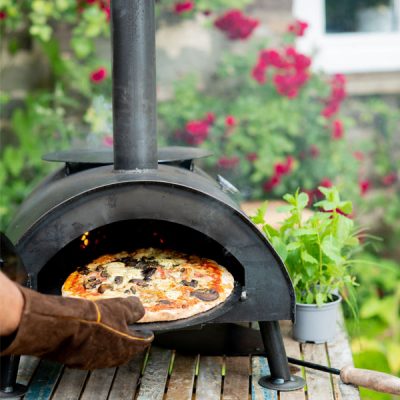
A chiminea is a freestanding outdoor fireplace with a rounded belly where the fire sits and a tall, narrow chimney on top. The design dates back hundreds of years to Mexico, where they were used for warmth and baking. The clever part is the shape. The bulbous body holds the fire and radiates heat outwards, while the chimney funnels smoke up and away from where you are sitting. That means more warmth in your direction and less smoke in your face than an open fire.
What is a chiminea used for?
Mostly, warmth and atmosphere. A chiminea gives off a focused pool of heat, which makes it ideal for a patio, a seating area or a corner of the garden where people gather. Many people also use them for gentle cooking, and some are built with a grill or swing arm for exactly that. More on cooking below.
Chiminea vs fire pit: which is right for you?
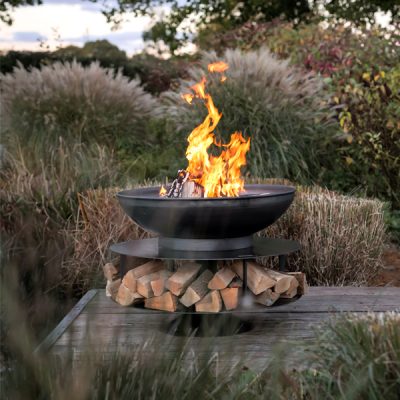
The short version: a chiminea throws heat in one direction and keeps smoke contained, so it suits smaller, more sheltered seating areas. A fire pit gives off heat in all directions and lets a group sit around it, which suits larger gardens and bigger gatherings. Neither is better outright, they simply do different jobs.
If you are weighing the two up properly, read our full comparison in Fire Pit vs Chiminea: Which Is Best for You. And if you decide an all-round fire is more your style, browse the full range of fire pits.
Chiminea materials explained
The material you choose affects how your chiminea looks, how long it lasts and how much care it needs. There are three main types.
Clay and terracotta chimineas
Clay is the traditional choice and has a lovely rustic look. It heats up slowly and holds a soft, even warmth. The trade-off is durability. Clay can crack if it is exposed to very high heat, sudden temperature changes or winter frost, so it needs careful seasoning when new and proper cover or storage through the colder months. If you love the classic look and are happy to look after it, clay rewards you.
Cast iron chimineas
Cast iron is heavy, tough and excellent at holding heat. It will not crack the way clay can, and a good cast iron chiminea lasts for years. It does need a little maintenance to keep rust at bay, but the heat retention and longevity make it a popular middle ground.
Steel chimineas
Steel is the modern, practical choice. It heats up quickly, is far lighter than cast iron, and stands up well to the British weather. Steel also allows for cleaner, more contemporary designs that suit a modern garden. This is where our own range sits, built to last and made for real use. You can see the full collection on our chimineas page.
What size chiminea do you need?
Size comes down to two things: how much space you have and how much heat you want.
- A small chiminea suits a compact patio, a balcony-style corner or a couple of chairs. It is easier to move and quicker to warm up.
- A large chiminea puts out more heat and burns for longer, which suits a bigger seating area or a household that spends a lot of evenings outside.
As a rule, give your chiminea plenty of clearance from fences, furniture and overhanging branches, and stand it on a stable, non-flammable surface. A larger model needs more room around it, not just underneath it.
Can you cook on a chiminea?
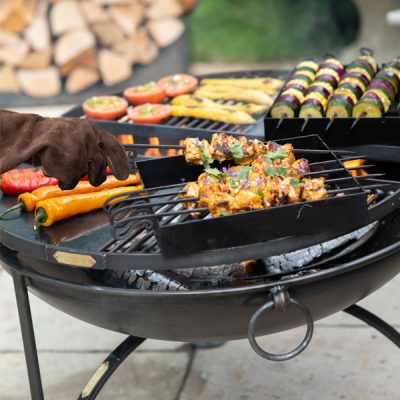
Yes, and it is one of the nicest surprises for first-time owners. Many chimineas can take a grill, and some are designed with a swing-arm BBQ rack that lets you cook directly over the flames and swing the food away when you need to. It is perfect for everything from sausages and burgers to skewers and griddled vegetables.
If cooking appeals to you, look at a model built for it from the start, such as our Classic Chiminea with Swing-Arm BBQ Rack. For inspiration once you have one, our Notebook is full of fire-cooking recipes and ideas.
What wood should you burn in a chiminea?
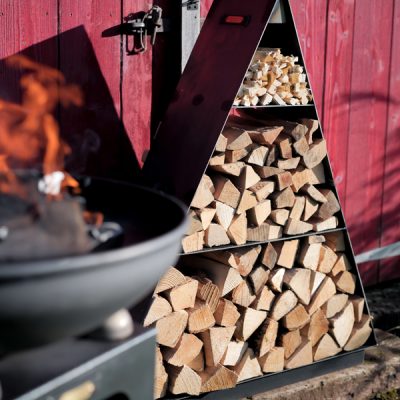
Burn well-seasoned or kiln-dried hardwood. It lights cleanly, burns hot and produces far less smoke than damp or green wood. Avoid softwoods like pine, which spit and leave sticky resin, and never burn treated timber, painted wood or rubbish, which give off harmful fumes.
A few simple habits make a big difference:
- Start small with kindling and firelighters, then build up gradually.
- Keep the fire modest. A chiminea is designed for a steady, contained flame, not a roaring blaze.
- Let the fire burn down naturally and clear the ash once it is fully cold.
Get a fire going quickly with a good natural firelighter, such as our Flamers firelighters, and if you want to get the lighting routine right first time, our Notebook covers how to light a fire and which logs to burn.
Looking after your chiminea
A little care keeps a chiminea going for years.
- Seasoning: If you buy clay, season it with a few small fires before you build anything bigger, so the material cures gradually.
- Covers: A fitted cover protects against rain and keeps the inside dry between uses.
- Winter storage: Clay chimineas in particular should be moved somewhere dry and frost-free over winter. Steel and cast iron cope better outdoors but still last longer if covered.
- Cleaning: Empty cold ash regularly and check for any blockages in the chimney before lighting.
Shop chimineas at FirePits UK
Whether you want the traditional charm of clay or the durability and clean lines of British-made steel, the right chiminea turns a garden into somewhere you actually want to spend your evenings. Browse our full range on the chimineas page, or if you would rather have a fire you can gather around, take a look at our fire pits.
If you are still deciding between the two, our Fire Pit vs Chiminea guide will help you make the call.